Google+ Pinterest Facebook Twitter Stumbleupon feed

Kantam – Karonda berry

by Helene Dsouza on May 14, 2012

Recently, some 10 days back  I had requested desperately for some help and information (here) about some of the rarest berries, which grow between March – May on Goas beautifull jungle hills. I want to thank all those who have been supporting me in this quest but especially I would like to thank Finla Noronha who took the time and researched a bit. You are sweetheart dear, we thank you all! =)

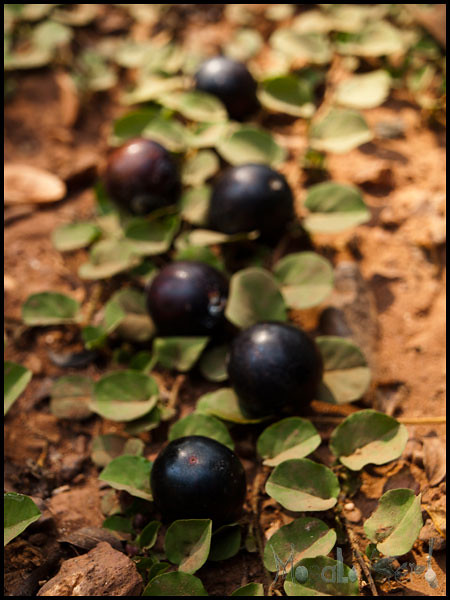
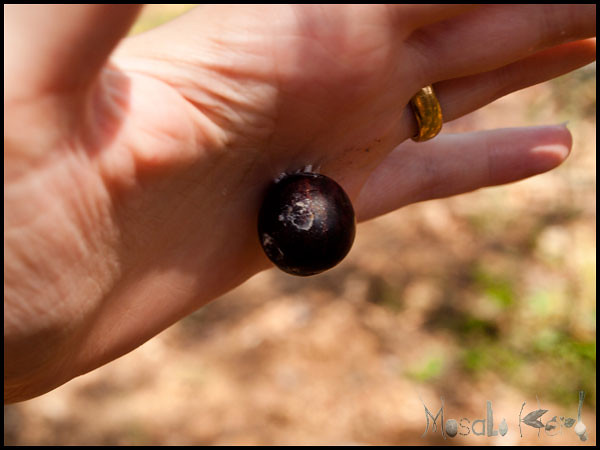
So here we go today with some interesting knowledge and useful health info about the Kantam berry (known as Kanta in Bardez). This particular black ball of a fruit is known in the botanical world as Carissa Carandas, in English as pickle berry and in other parts of India as Kronda, Karonda (Hindi – करोंदा) or even Kranda (करानदा), Krvinda (Marathi), Kalakai (Tamil), Vakkay (Telugu), Karamcha (Bengali) and Karamda (Gujerati). Some more names may include Christ’s thorn, Namdaeng, Bengal currant and Caramba.

Kantam - Karonda berry

The shrub itself grows on Goas hill sides, means in a tropical/subtropical climate, but according to Wikipedia even at lower levels of the Himalayan mountain chain. Apparently this shrub is quite scares but existent all over south Asia and even till Afghanistan. I did find a useful little Karonda cultivation e-booklet online, which explains perfectly well on how to grow it successfully in your own orchard.

What caught my eye in my investigation are the numerous amazing health benefits of the berry. The berry and plant parts have been used for over 1000 of years in the traditional Ayurvedic medicine, although it seems that the global research has been very young and most probably (unsurprisingly) they are still researching the plants abilities and benefits. What is certain, is that the fruits are a rich source of Iron and Vitamin C (Antioxidants), which means that they are excellent as cure against Anaemia (lack of red blood cells) and useful against anticancer activities. An other super fruit whose benefits we are missing out!

Kantam - Karonda berry

But that’s not all! The fruit improves the female libido, cools the human system in the hot summer months, gives you appetite, expels worms from the intestinal tract, lowers the cholesterol levels and it has organic anti-bacterial/fungal and anti-inflammatory properties.

The Kantam berry is not commercialized at all yet, though the Indian government seems to have an interest in doing so. Anyway, we have the luck of buying them at certain days in the local Goan markets, but as I can see it is quite scarce here around, since I barely saw them being sold in the last 2 years. Otherwise you might have the opportunity to roam on some hills to collect the berries by yourself, which is pretty fun! One thing has to be noted here that India’s jungles and hills are not save for foreign people, so I would suggest to be careful and think it through, but the main problem is anyway the privatization of hills and the wrath of power of the non local resort and hotel owners. So most probably you won’t be able to even go up the hill, because some fence or security guard is keeping you away from natures goodness (in touristic parts in Goa at least).

Kantam - Karonda berry

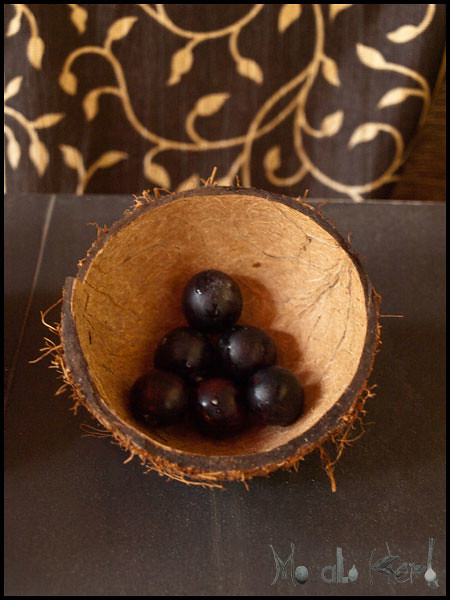
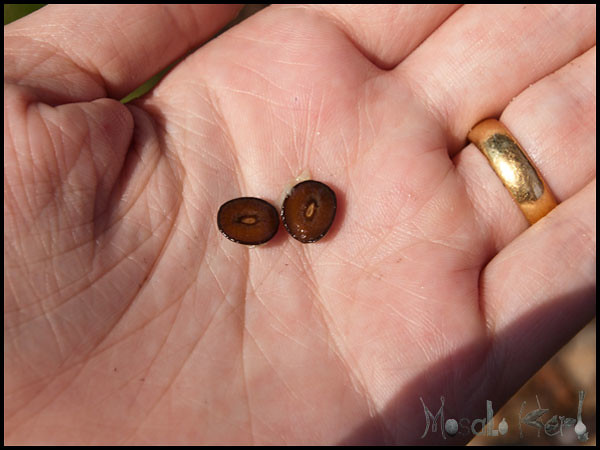
If you do come across those little fruit wonders, then you might have the chance to recreate a culinary bliss, such as a pickle, jam, chutney, curry, juice or you can even make of them a fruit tart! The ripe dark berries contain a load of natural pectin so they are suited to be preserved (by the way they omit a white sticky fluid). Since I had only 6 little berries and because I was unaware of ways to prepare the fruits, I ended up just eating them plain. In fact we all do that here, especially the kids who wander around to collect them, BUT I am looking forward to try around and create a few noteworthy dishes in the future, right now the berries are not available anymore, so we will have to wait till next year. ;)

Kantam - Karonda berry

More Useful Sources to the topic:


{ 14 comments… read them below or add one }

Liz

I wonder why they haven’t been exploited commercially before now.  So what do they taste like?

Reply

Helene

I am glad that you are asking! =)

They taste sour but some are more sweet. You ought to get the right one. In my experience the riper

the sweeter, as it is with all berry types. You can compare them with the taste of cherries!


Reply

Baker Street

I can’t wait to see what you plan to do with them.. 

Reply

Choc Chip Uru

What an interesting exotic berry – I look forward to seeing your creations with it :D

Cheers
Choc Chip Uru
 

Reply

Charles

Hi Helen, I can’t imagine what they taste like at all… with a name like pickle berry, I can’t help thinking of onions, LOL! They look like big, fat juicy blackcurrants… delicious!

Reply

tanja@tanjascookingcorner

Helen, thank you so much for introducing us this exotic Pickle berry, I wish I could try some, I am curious about its taste :) Looking forward to your delicious creations with this fruit!
Have a wonderful day!

Reply

Maureen @ Orgasmic Chef

It improves the libido and it hasn’t been snatched up and sold for a gazillion dollars?? Hard to believe. :)

Reply

Helene

lol, unbelievable right?! See,.. not everything is discovered yet. :D

Reply

yummychunklet

Wow. That’s awesome to find something new. Look forward to seeing how you use them!

Reply

Kitchen Belleicious

very interesting. I wish I could taste them

Reply

Sanjeeta kk

Helena we get something similar in Rajasthan and call them as Karonda too, but they are deep red or purple in color. These makes a wonderful pickle.

Reply

Raji

We too get karonda berries in my home state and they are mostly red in colour, my mom makes sweet relish with these. Good to know so much about these berries.

Reply

Happy COok / Finla

Thankyou for the mention, i too was curious about it when i saw in fb page :-)

Reply

Cass @foodmyfriend

You are braver than me. When I see something like this, I just leave it alone :P Very cute berries!

Reply

Leave a Comment

CommentLuv badge

Previous post:

Next post: