
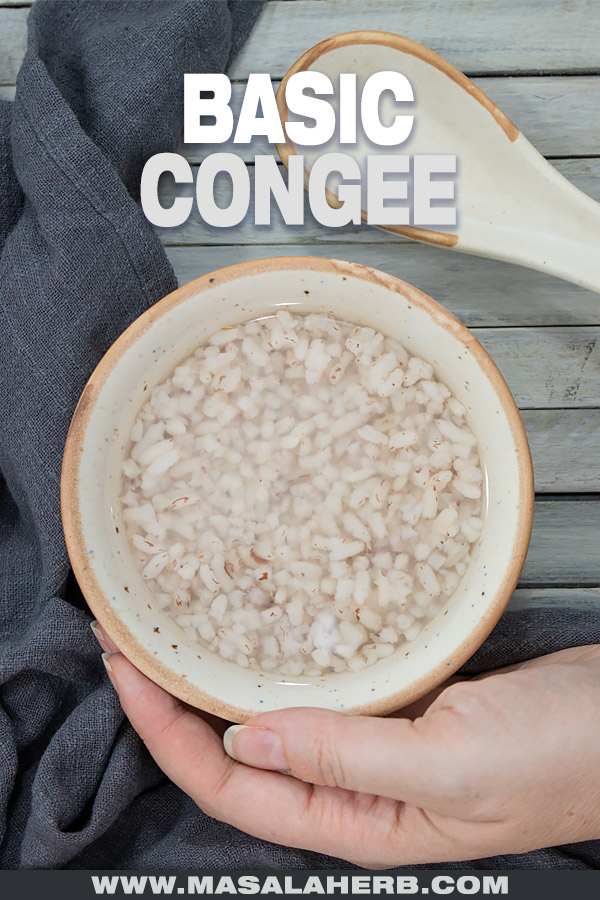
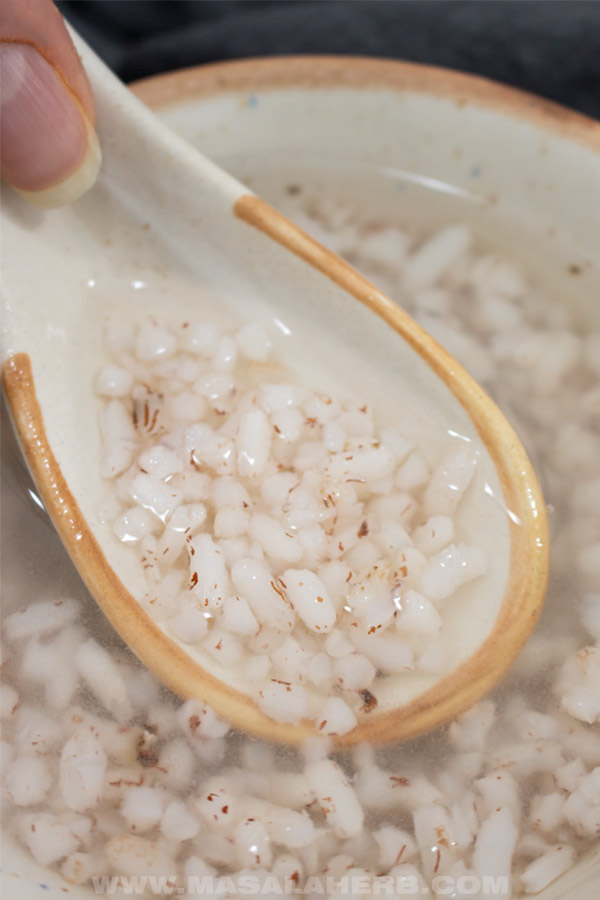
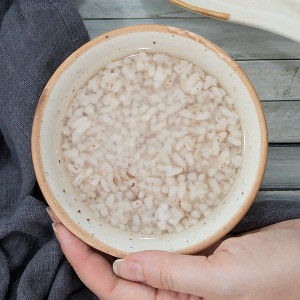
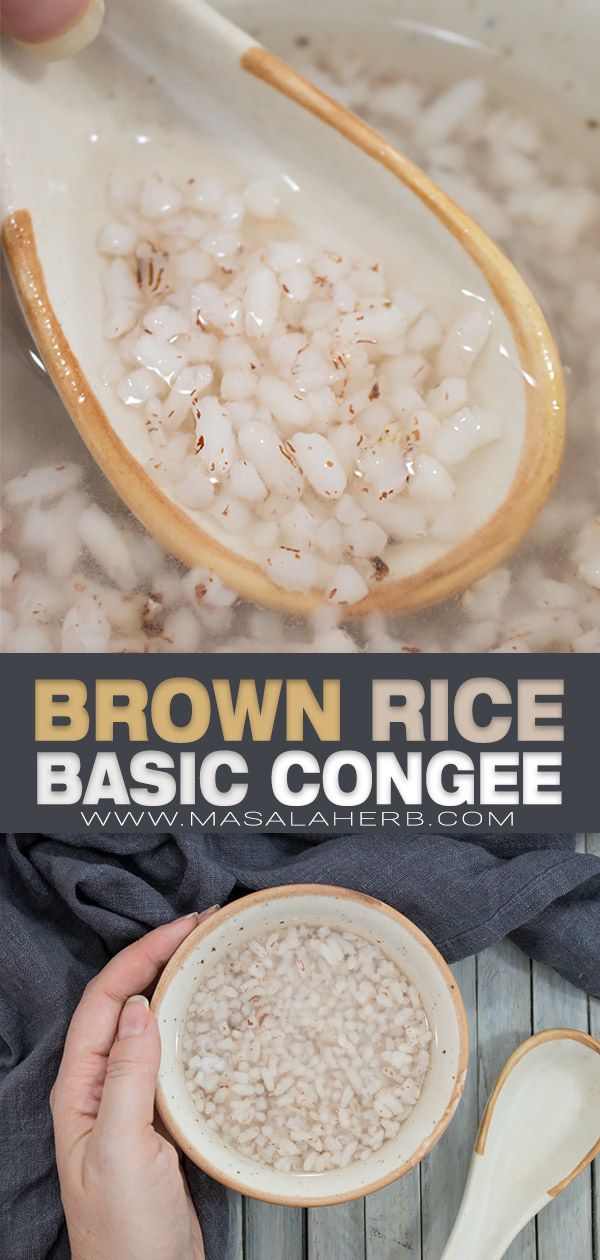
This is a basic brown rice congee recipe, which is an Asian rice gruel dish.
My recipe is based on the Goan, Indian variation.
Jump to:
📕 What is this Congee recipe?
Rice congee is one of the simplest dishes in the world. At its base, it's just rice water and salt, and it's a rice gruel.
The word “congee” derives from the Tamil word “kaanchi” which means porridge or boiled rice. It's also known as rice water.
This dish has been around for thousands of years and has been enjoyed in many different cultures, including China, India, and Vietnam.
So, the given name might be different in those locations. Besides, rice wasn't always the preferred main ingredient back then.
This simple recipe is based on the Goan Indian congee, which is called kanji or even pez.
The more popular and better-known Chinese congee is prepared differently. The rice is cooked down and broken up into a mash.
It also includes other ingredients such as soy sauce, ginger, and a boiled egg. It can include chicken and chicken broth as well, or also fish,
🍚 Ingredients
You will need the following ingredients:
- Brown rice variety
- Water
- Salt (optional)
Brown rice is a million times healthier than white polished rice. White rice is polished rice, missing the bran and cereal germ.
They remove the bran so that the white rice can be preserved for a longer period of time. So, the grain loses a portion of its nutritional value, but the bran can also spoil rice much faster.
Bran is rich in various nutritious elements, and whole brown rice will leave you full longer, keeping hunger pangs away.
I recommend using brown rice to make this congee. BUT if you can't get brown rice, you can substitute it with white rice. You can choose any variety!
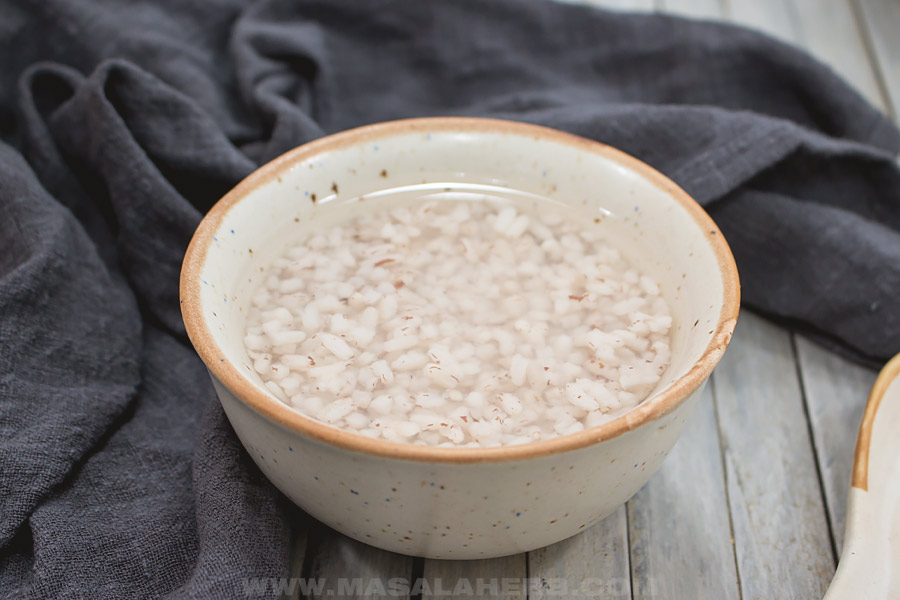
I used a brown rice variety called Goan red rice (or ukade) in the photos and video. People there grow this rice variety in their fields. This is what they use locally to make their “kanji/kanjee/pez” rice porridge.
🔪 How to make it?
Here is an overview of how to make this from scratch with ease.
The full recipe is located further below in the recipe card.
Step 1
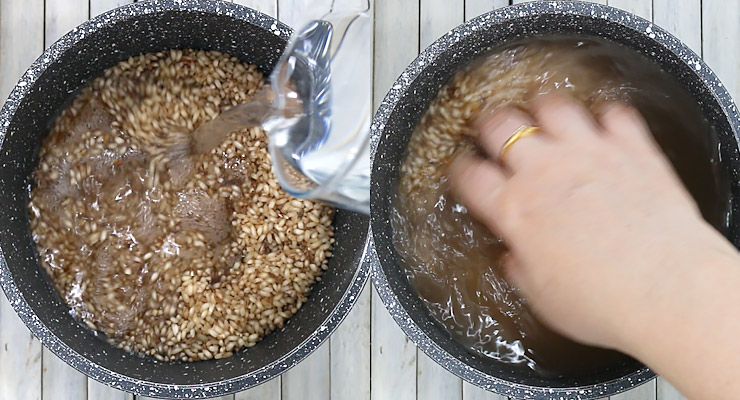
Place rice in a cooking pot and wash it 2–3 times with water, or until the water looks clear.
Step 2
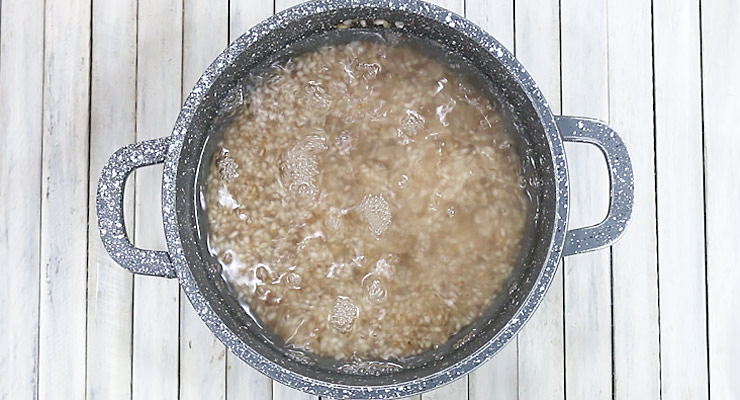
Cover the rice with water and leave to soak for 2 hours.
That way, the rice will be easier to digest.
Step 3
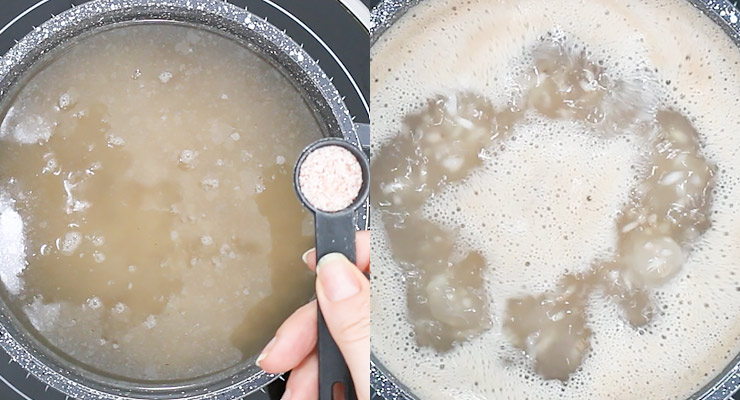
Season with salt (optional) and cook until the rice is soft.
Global Food Recipes
with Spices and Herbs
Free E-Book available for a limited time. Grab yours now and get instantly inspired!
You missed out!
📖 Recipe
Basic Brown Rice Congee
Ingredients
- 1 Cup Brown Rice any variety, I use Goan brown rice in the pictures
- Water to rinse
- 3 Cups Water to soak and boil
- Salt optional to season
Instructions
- Place rice into a pot and cover with water. Mix with your clean hand and rinse the rice 2-3 times with fresh water until the water comes back kind of clear.1 Cup Brown Rice, Water
- Pour water over the rice and close the pot with a lid. Leave to soak for 2-3 hours or overnight. This will shorten the boiling process and the rice will be easier to digest.3 Cups Water
- Take the rice with water to the heat and keep it over a medium to slow heat setting. Season with salt (optional).Salt
- Boil rice until soft or until you are satisfied with the consistency and or water quantity. You can simmer it further to reduce the water. Yet, this dish is meant to be more on the watery side. This can take 20-40minutes.
- Serve up.
Equipment
Nutrition
🥣 Serving
This rice porridge is served as a savory dish as is, without any other ingredients added.
Yet, you can choose to add something else such as rotisserie chicken or a boiled egg or a topping such as chopped green onions.
I love it with something sour, such as a green mango water pickle or a spiced shrimp pickle (called mol or molho). Just drop some of each into your congee and enjoy it that way.
You can have it for breakfast, lunch, or dinner.
It also goes well with red lentil curries and vegetable stir-fries.
🍱 Storing
Keep cooked congee rice in an airtight container and store it in your fridge for up to 3–4 days.
I recommend in fact reheating it because it gains on flavors when you do that.
💡 Why I love this Congee
Congee rice is super nutritious, and if prepared with whole rice, high in fibers.
The digestive tract can easily digest congee, making it great food for those suffering from digestive problems. I make it when I got the flu, cold, or an upset stomach.
It's straightforward, plainly flavored, and perfect if you are feeling sick or need something to pep you up.
People in Asia make it during the fasting period or when they want to regulate their calorie intake.
The rice porridge is also a basic baby food option. Reduce or skip the salt to make it baby-friendly.
It's a very inexpensive food, pretty much anybody can afford it. Making it a perfect budget-friendly dish.
You can also easily meal prep your congee. It gets better every time you warm it up.
This recipe is also plant-based vegan, gluten-free, oil-free, low calorie, and suited for a diabetic and low sodium diet.
If you are looking for more dishes to make when ill or fasting, then I can recommend my healing soup with spiced broth and the clear soup prepared with vegetables.
Global Food Recipes
with Spices and Herbs
Free E-Book available for a limited time. Grab yours now and get instantly inspired!
You missed out!